
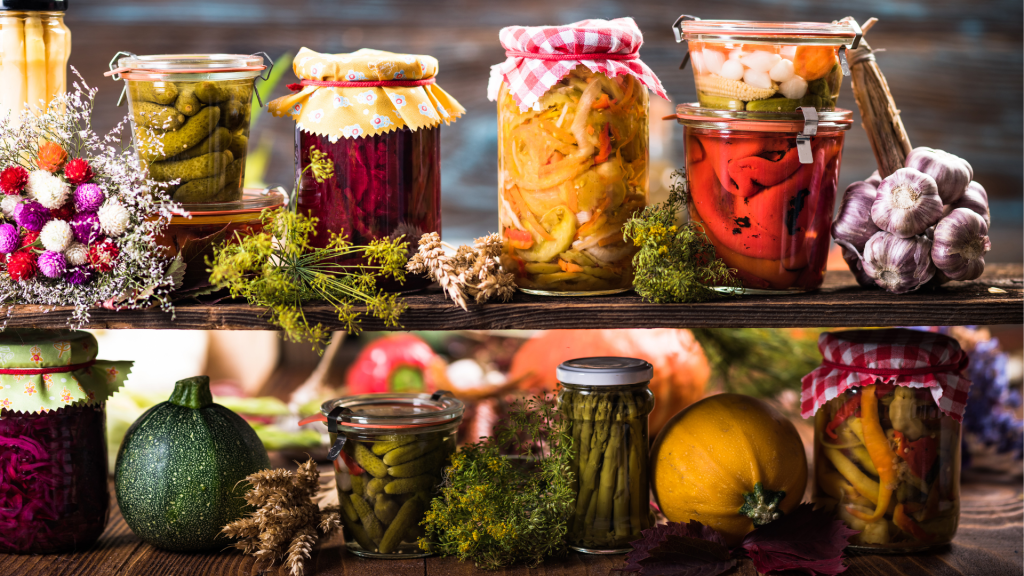
As the leaves begin to turn and the air gets crisp, autumn brings a bountiful harvest of UK-grown fruits and vegetables. From hearty pumpkins and squashes to crisp apples and pears, autumn’s produce offers the perfect opportunity to start preserving. By preserving your autumn harvest, not only do you reduce waste, but you also get to enjoy the taste of the season long after it’s over.
In this guide, we’ll explore some easy, eco-friendly ways to preserve your autumn bounty, with methods that anyone can try at home. Whether you have a vegetable garden, shop at a local farmers’ market, or simply want to make the most of what you buy at Harriet’s of Hove, we’ve got you covered!
1. Freezing: The Easiest Way to Preserve Autumn Produce
Freezing is one of the simplest and most accessible ways to preserve fruits and vegetables without any added preservatives. Best of all, it keeps the nutrients intact, allowing you to enjoy fresh-tasting produce even in the colder months.
What to Freeze:
- Pumpkin and Butternut Squash: Peel, dice, and blanch them before freezing.
- Apples and Pears: Peel and slice for crumbles or stews, sprinkle with lemon juice to prevent browning, then freeze in a single layer before transferring to reusable freezer bags.
- Carrots, Parsnips, and Beetroot: Blanch these before freezing to retain colour and texture.
- Berries (if you’re lucky enough to still have some): Rinse and freeze on a baking sheet before transferring to containers.
Always blanch vegetables like carrots and parsnips before freezing to help them retain their vibrant colours and textures.
2. Pickling for Long-Lasting Flavour
Pickling is a traditional British method of preserving vegetables with vinegar, which adds a lovely tang and crunch to your favourite veg. It’s a brilliant way to make the most of autumn’s root vegetables, while keeping your pantry stocked with flavourful sides and snacks.
What to Pickle:
- Beetroot: Perfect for salads or sandwiches.
- Carrots and Cauliflower: Add a bit of mustard seed or dill for extra flavour.
- Red Cabbage: Ideal for serving alongside roasted meats or hearty stews.
How to Pickle:
👉🏼 Clean and chop the veg.
👉🏼 Prepare a brine with vinegar (cider or white), water, and your choice of spices like mustard seeds, peppercorns, and bay leaves.
👉🏼 Pack the vegetables into sterilised jars, then pour the hot brine over the top.
👉🏼 Seal and store in a cool, dark place.
👉🏼 Pickling can be done in small batches, so it’s perfect for using up leftover veg or odd bits.
3. Making Chutney for a Touch of Autumn Sweetness
Autumn fruits like apples and pears are excellent for making chutneys, which pair beautifully with cheeses, curries, and roasts. Chutney is a brilliant way to turn a surplus of fruit into a long-lasting cupboard staple.
What to Use:
- Apples, Pears, and Plums: These fruits create rich, sweet chutneys.
- Onions and Tomatoes: Perfect for a savoury twist.
- Additions: Spices like ginger, mustard seeds, or chillies can add warmth and complexity.
How to Make Chutney:
👉🏼 Peel and chop the fruit and vegetables.
👉🏼 Simmer them with vinegar, sugar, and spices until the mixture thickens.
👉🏼 Pour into sterilised jars and seal tightly. The chutney will last for months and improves in flavour over time.
If you have too many apples, consider making both chutney and apple sauce for freezing!
4. Drying Herbs to Savour Autumn Flavours
If your herb garden is overflowing, drying your herbs is a great way to preserve them for autumn and winter cooking. While it’s easier to dry hardy herbs like rosemary and thyme, you can also dry softer herbs like parsley and mint.
How to Dry Herbs:
👉🏼 Tie herb sprigs into small bunches and hang them upside down in a dry, well-ventilated area.
👉🏼 Once fully dried, crumble the leaves into jars and label them.
👉🏼 You’ll have fresh-tasting herbs at hand for your soups, stews, and roasts all winter long.
5. Fermenting Vegetables: Gut-Friendly and Delicious
Fermenting is another fantastic preservation method that not only keeps vegetables edible for longer but also creates beneficial probiotics that are great for gut health.
What to Ferment:
- Cabbage: To make your own sauerkraut.
- Carrots and Radishes: Add ginger for an extra zing.
- Beetroot: For a unique, earthy flavour.
How to Ferment:
👉🏼 Thinly slice your vegetables and pack them tightly into sterilised jars.
👉🏼 Cover with a brine made from water and salt.
👉🏼 Let the jars sit at room temperature for a few days to allow fermentation to occur, then transfer to the fridge.
👉🏼 Fermented vegetables are tangy, crunchy, and perfect for adding to salads, sandwiches, or as a side dish.
6. Storing Root Vegetables for the Winter
Many root vegetables, like potatoes, carrots, and parsnips, store exceptionally well in a cool, dark place. If you’re fortunate enough to have a cellar or cool garage, you can keep them for months with minimal effort.
How to Store:
Potatoes and Onions: Store in breathable bags or boxes.
Carrots and Parsnips: Store in layers of sand or sawdust to maintain freshness.
Savour Autumn All Year Round
Preserving autumn’s bounty is a wonderful way to reduce waste and keep enjoying fresh, nutritious produce throughout the colder months. Whether you’re freezing, pickling, or making chutney, there’s a method for every type of fruit or veg. By incorporating these techniques, you can stock your pantry with vibrant flavours while living sustainably.
And remember, Harriet’s of Hove is always here to help with refillable essentials like vinegar, sugar, and herbs, plus the jars and containers you’ll need for preserving! 🍏🌿
Happy preserving!