
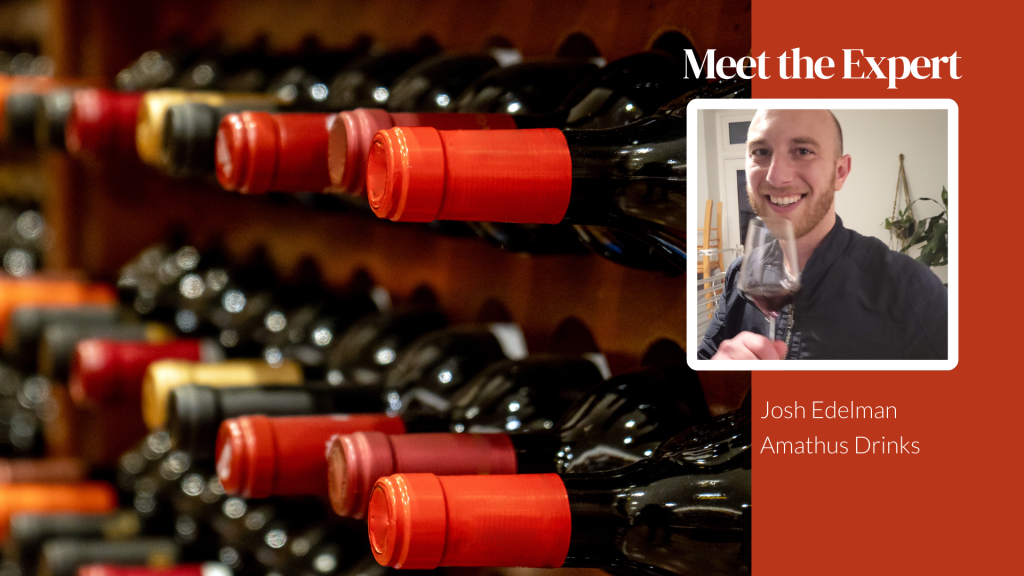
On 28th November, Harriet’s of Hove invites you to an evening dedicated to discovering the unique world of vegan and biodynamic wines. Hosted by Josh Edelman from Amathus Drinks, this tasting will dive into what makes these wines different, why they’re worth seeking out, and how they align with sustainable living principles.
What Sets Vegan and Biodynamic Wines Apart?
Vegan and biodynamic wines are often seen as the pinnacle of ethical winemaking, but they offer more than just an ethical choice. The distinctions between vegan and biodynamic wines reveal layers of craftsmanship and care for both the planet and the palate.
“Vegan wines are created without any animal products,” Josh explains. Traditional winemaking often involves “fining,” a process that stabilises the wine by removing certain particles. Animal-based fining agents, such as fish bladders or egg whites, are commonly used in commercial wine production to make wine look clear or soften tannins. In vegan winemaking, this approach is avoided. Instead, winemakers may choose to use clay or other vegan-friendly fining agents or skip fining altogether, resulting in wines with more authentic, original flavours.
Biodynamic winemaking, on the other hand, takes an even more holistic approach, focusing on the vineyard itself. “Biodynamic wines come from vineyards farmed following biodynamic practices, which aim to create a balanced ecosystem,” says Josh. The vineyard operates as its own miniature ecosystem, where plants, animals, and microbes are encouraged to thrive without harmful pesticides or chemicals. “Biodynamic wines are often described as tasting ‘alive’—there’s a vibrancy to them that reflects the land they come from,” he adds. This method not only promotes biodiversity but also allows the unique characteristics of the terroir to shine through in the wine.
Why Vegan and Biodynamic Wines Are Worth Discovering
For Josh, vegan wines stand out because they retain their original flavour profile. “With fewer interventions, a lot of the authentic character remains intact,” he says. Biodynamic wines, on the other hand, go even further by connecting wine to the land. Biodynamic farming involves nurturing the soil with millions of healthy bacteria and fungi. These microorganisms help transfer complex mineral flavours from the soil to the grapes and, eventually, into the wine. This means each sip offers a true representation of its origins.
Not only do vegan and biodynamic wines offer unique tastes, but they’re also produced by people who are deeply connected to their craft. “These winemakers are truly passionate about what they do and have a strong commitment to protecting the land,” Josh shares. The focus on biodiversity and sustainability reflects their values, making these wines a perfect choice for those who appreciate both taste and ethics.
From Passion to Partnership
Josh’s fascination with wine started with the incredible diversity of tastes, styles, and origins. His love for biodynamic wines, in particular, comes from their celebration of this diversity. “Biodynamics allows wines to fully express their origins,” he notes. This commitment to the authenticity of the land and its fruits makes biodynamic wines a natural match for Harriet’s of Hove.
“I felt that the kind of person drawn to Harriet’s would appreciate topics like biodiversity, sustainability, and small-batch winemaking,” Josh says. Hosting the tasting at Harriet’s gives him the opportunity to connect with a like-minded community and share the wines he’s most passionate about.
Wines to Watch For
When it comes to choosing vegan wines, Josh advises opting for smaller growers and wineries. “They’re more likely to take a quality-focused approach and avoid shortcuts, such as using animal-based fining agents,” he explains. For biodynamic wines, he believes there are passionate producers in every region. “Come to the tasting and try some of the great ones!”
Josh also suggests keeping an eye out for wines from Jura, a rural region in east France. Known for its small growers and unique indigenous grape varieties, Jura offers both excellent quality and reasonable prices. “It’s a beautiful area with a rich winemaking history,” he says. “Plus, they produce fantastic Chardonnay and Pinot Noir to rival Burgundy.”
The Challenges and Rewards of Biodynamic Winemaking
Biodynamic winemaking isn’t without its challenges, especially since it limits the use of sprays to protect against adverse weather. But for Josh, these obstacles are what make the journey so rewarding. “Expressing nature through winemaking is what it’s all about,” he reflects. Biodynamic practices encourage a deeper connection to the land, and the reward is in crafting wines that tell a story.
What to Expect from the Tasting
At the event, Josh promises a relaxed, enjoyable evening filled with wines that reflect a true connection to the land. “Come with an open mind,” he encourages, adding that attendees are welcome to ask questions throughout. He recommends that wine lovers at home experiment with pairing vegan and biodynamic wines with different foods to find combinations they enjoy. “The best pairing is a wine you love with food you love,” he says.
Bringing the Tasting Experience Home
For those inspired to bring vegan and biodynamic wines into their homes, Josh advises keeping an open mind and trying a range of wines until you find ones that fit your palate. “Each biodynamic wine is unique, so experiment with different pairings to see what works for you.”
Join Us for a Unique Wine Tasting Event
Don’t miss this opportunity to explore a range of ethical, thoughtfully crafted wines in a welcoming setting at Harriet’s of Hove. Whether you’re new to vegan and biodynamic wines or a seasoned enthusiast, Josh Edelman’s insights are sure to enrich your appreciation for these sustainable wines. Grab your ticket, and get ready to sip, savour, and celebrate the art of ethical winemaking!