
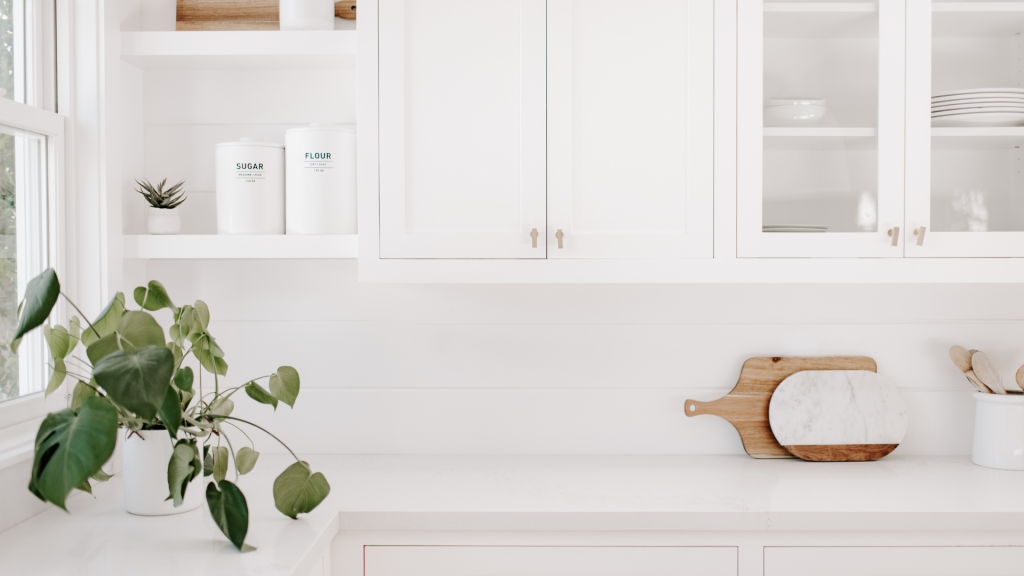
Embracing minimalism in the kitchen is not just about decluttering physical space—it’s about clearing the way for healthier habits and more sustainable living. In today’s fast-paced world, a minimalist kitchen can reduce waste, cut down on stress, and promote an environmentally friendly lifestyle. Harriet’s of Hove supports this transition by offering sustainable, plastic-free options that don’t compromise on quality or functionality. Whether you’re a seasoned chef or a casual cook, the principles of minimalism can transform your kitchen into a space of tranquillity and purpose.
The Benefits of a Minimalist Kitchen
Reduce Waste
A minimalist approach means keeping only what you truly use, which naturally leads to less waste. By curating your kitchen items and ingredients, you minimise the risk of things going unused and eventually becoming waste. This practice not only clears your kitchen but also significantly cuts down on the environmental impact of discarded food and packaging.
Decrease Stress
Clutter is a known contributor to stress and anxiety. A minimalist kitchen, with its clean lines and reduced clutter, fosters a calming atmosphere. This environment makes it easier to find ingredients and tools, simplifies the cooking process, and transforms cooking from a chore into a relaxing activity.
Sustainability
Minimalism aligns closely with sustainable practices. By purchasing fewer items, you reduce demand for resource-intensive products and packaging. A minimalist kitchen encourages the use of multi-functional appliances and utensils, reducing the overall carbon footprint and promoting a lifestyle that is not only good for you but also good for the planet.
Streamlined Functionality
A kitchen stocked only with items that serve a purpose or bring joy can dramatically enhance your cooking experience. This efficiency can lead to more creative culinary ventures, as you work with what you have, learning to substitute and improvise, which are key skills in any chef’s repertoire.
Consider assessing your kitchen: What items have you not used in the last year? What duplicates can you donate? Starting small can lead to big changes, not just in your kitchen but in your overall approach to consumption.
Practical Steps to Achieve a Minimalist Kitchen
Audit Your Essentials
Start by auditing your kitchen. Identify essentials that you use daily, and question the purpose of each item. If something hasn’t been used in months, it’s likely not essential. Essentials might include a set of knives, a few pans, a cutting board, and versatile appliances like a blender or food processor.
Opt for Quality Over Quantity
Invest in high-quality items that are built to last. This might mean spending more upfront but will save money and reduce waste in the long run as you won’t need to replace items frequently. For example, a good quality chef’s knife can handle most cutting tasks, eliminating the need for multiple lesser knives.
Organise Strategically
Organise your kitchen so that everything has a place and is easily accessible. This organisation should make it easy to grab the tools and ingredients you need without digging through drawers or cabinets. Utilise jars and containers to store your dry goods; not only do they keep ingredients fresh, but they also provide a visual inventory of your pantry, making it easier to avoid overbuying.
Embrace Multi-functionality
Choose appliances and tools that serve multiple purposes, reducing the need to have a gadget for every culinary task. For example, a high-powered blender can be used for making smoothies, soups, and even grinding grains.
Embracing Pantry Staples for Creative Cooking
Stocking a Versatile Pantry
Keep your pantry stocked with versatile staples that can be used in a variety of dishes. Basics like rice, lentils, canned tomatoes, and a selection of spices can serve as the foundation for countless meals. Include grains like quinoa and barley for diversity.
Creative Combos and Recipes
Commit to making a meal once a week using only what you have. This not only helps clear out older items but also sparks creativity. For example, combine leftover vegetables with canned beans and spices to create a hearty stew or use that almost-forgotten jar of tahini to whip up a delicious homemade hummus.
Making Meals from Leftovers
Get creative with leftovers. Transform last night’s cooked vegetables into a vibrant frittata or blend them into a soup. Stale bread can become croutons, bread pudding, or even breadcrumbs for other recipes.
DIY Recipes
Explore making your own basics to avoid plastic packaging. For instance, homemade almond milk is simple and provides a fresh, plastic-free alternative to store-bought versions. Similarly, peanut or hazelnut butter can be made in-store at Harriet’s of Hove using their grinding machines, ensuring freshness and reducing packaging.
Stocking a Minimalist, Plastic-Free Pantry
Transitioning to a minimalist pantry is not just about reducing the number of items you store, but also about choosing sustainably packaged or bulk goods that support your plastic-free goals. Here are key strategies to stock a minimalist, yet versatile pantry:
Essentials List: Focus on versatile staples that can be used in multiple recipes. Essentials include grains like rice and quinoa, pulses such as lentils and chickpeas, and a variety of spices like turmeric and cumin. Canned goods like tomatoes and coconut milk are also indispensable for quick, nutritious meals.
Buying in Bulk: Utilise Harriet’s of Hove’s bulk bins to purchase exactly what you need, reducing waste and avoiding unnecessary packaging. This approach is not only eco-friendly but also cost-effective, as bulk items are often cheaper per unit.
Storing Smart: Invest in durable, non-plastic storage solutions such as glass jars with bamboo lids, stainless steel containers, and cloth produce bags. These options help maintain the freshness of your ingredients and keep your pantry organised and visually appealing.
Embracing minimalism in your kitchen setup promotes a sustainable lifestyle that benefits both the environment and your wellbeing. By carefully selecting what you buy, how you store it, and using everything you have, you contribute to a larger movement towards sustainability. Harriet’s of Hove offers the tools and ingredients necessary to make this transition smooth and effective, supporting your journey towards a minimalist, plastic-free kitchen. Remember, each small step you take is a giant leap for environmental stewardship.