
Valentine’s Day has long been a celebration of love and affection, but in the modern world, it has also become a highly commercialised and wasteful holiday. From plastic-wrapped chocolates to cut flowers with high carbon footprints and mass-produced greeting cards, many of the traditions we associate with the day are far from sustainable. But if we look back at the origins of Valentine’s Day, we can find ways to bring it back to something more thoughtful, meaningful, and kind to the planet.
The History and Meaning of Valentine’s Day
Valentine’s Day has a long and somewhat mysterious history. The most widely accepted origin story dates back to ancient Rome, where Saint Valentine was said to have performed secret marriages for soldiers who were forbidden to wed. Over time, the 14th of February became associated with romantic love, particularly in the Middle Ages, when poets like Geoffrey Chaucer linked it to the idea of birds finding their mates in early spring.
By the 19th century, the rise of industrial printing led to the mass production of Valentine’s Day cards, which became a hugely popular way for people to express their affections. Chocolate companies soon followed, capitalising on the tradition by creating gift boxes of confectionery, while fresh flowers—particularly roses—became a symbol of love due to their fleeting beauty.
While these customs may seem timeless, many of them are modern, commercially driven inventions, rather than deep-seated traditions. The question is: how can we celebrate the spirit of Valentine’s Day without the waste?
The Environmental Cost of Valentine’s Day
Many of the most popular Valentine’s gifts come with a hidden environmental impact.
Chocolates: A Sweet Treat with a Bitter Side
Chocolate is one of the most gifted items on Valentine’s Day, but conventional chocolate production often involves:
- Deforestation to make way for cacao plantations.
- Unethical labour practices, including child labour in certain regions.
- Plastic-heavy packaging, much of which isn’t recyclable.
Instead of picking up mainstream chocolate brands, look for ethically sourced, plastic-free alternatives. Harriet’s of Hove stocks Catherine’s Original Chocolates, which offer vegan, handcrafted treats with a lower environmental impact.
Flowers: The Carbon Footprint of a Bouquet
Fresh flowers may be beautiful, but the global flower trade is one of the most resource-intensive industries. Many flowers sold in the UK are flown in from Kenya, Colombia, or the Netherlands, meaning they rack up thousands of miles before reaching the shelves. They also require large amounts of water, pesticides, and energy to grow, and most bouquets come wrapped in plastic.
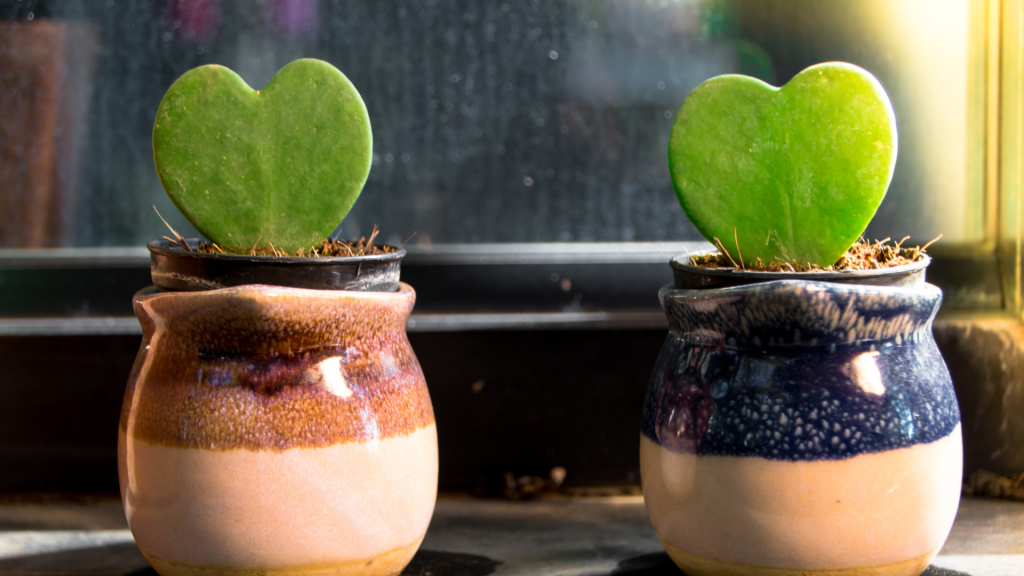
A more sustainable alternative is to choose seasonal, locally grown flowers, or opt for a potted plant that lasts far longer than a bouquet. Some florists now offer plastic-free, British-grown arrangements, which are a much more eco-conscious option.
Greeting Cards: The Paper Problem
Millions of greeting cards are exchanged on Valentine’s Day, but many are coated in glitter, foil, or plastic embellishments, making them non-recyclable. The UK alone sends over 25 million Valentine’s cards each year, contributing to deforestation and paper waste.
Instead of buying mass-produced cards, consider:
- Handmade, recycled paper cards, which can be composted or reused.
- Plantable seed paper cards, which grow into flowers or herbs.
- Writing a heartfelt letter—more personal, zero waste, and something that lasts longer than a printed message.
How to Celebrate Valentine’s Day More Sustainably
The good news is that there are plenty of ways to honour the spirit of Valentine’s Day without harming the planet. Here are a few ideas for more thoughtful, eco-friendly celebrations:
- Choose Ethical Chocolate – Look for Fairtrade, organic, or vegan chocolates that are made with sustainable ingredients and packaged without plastic. Harriet’s of Hove stocks delicious Catherine’s Original Chocolates, including the new Wonky Buttons and O’Bars, perfect for guilt-free indulgence.
- Gift an Experience Instead of Things – Instead of buying physical gifts, consider giving a memorable experience, like a homemade meal, a spa day, or a creative workshop. The HOH Event Space hosts a range of sessions throughout the year—why not book a workshop together?
- Opt for Seasonal or Dried Flowers – If flowers are a must, choose British-grown blooms that are in season, or go for dried flowers, which last far longer and don’t require plastic packaging.
- Cook a Plant-Based Meal Together – One of the easiest ways to reduce waste is to skip the restaurant and cook at home using seasonal, plastic-free ingredients. HOH offers plenty of staples for making a delicious, sustainable Valentine’s meal.
- Handwrite a Love Letter – Instead of a generic card, take the time to write a personal letter. It’s more meaningful, waste-free, and something to cherish forever.
Bringing Valentine’s Day Back to Its True Meaning
At its heart, Valentine’s Day isn’t about mass-produced gifts or commercial excess. It’s about celebrating love, connection, and appreciation—things that don’t require waste or overconsumption. By making small, sustainable swaps, we can keep the romance alive while protecting the planet.
This year, let’s rethink the way we celebrate. Whether it’s choosing ethical chocolates, supporting local businesses, or making thoughtful, low-waste gestures, every small change makes a difference.
Let’s bring Valentine’s Day back to what really matters—showing love, in all its forms, in a way that’s kind to each other and the Earth.